There’s a strange thing about simple food: the fewer places there are to hide, the harder it can be to get right.
Most of us have eaten hundreds, probably thousands, of eggs in our lifetime. We know how we like our bacon and potatoes. We know the difference between a pancake that’s light and fluffy and one that’s fallen flat, or French toast that’s perfectly cooked versus something we could have made at home. And when we order eggs Benedict, we already have an idea of what we want that first bite to taste like.
That familiarity makes breakfast classics deceptively challenging.
“Sometimes the simplest food is the hardest place to differentiate yourself because the guest already knows exactly what it should taste like. There’s nowhere to hide with eggs, bacon, potatoes and toast,” says Dave Orsten, CEO of OEB Breakfast Co.
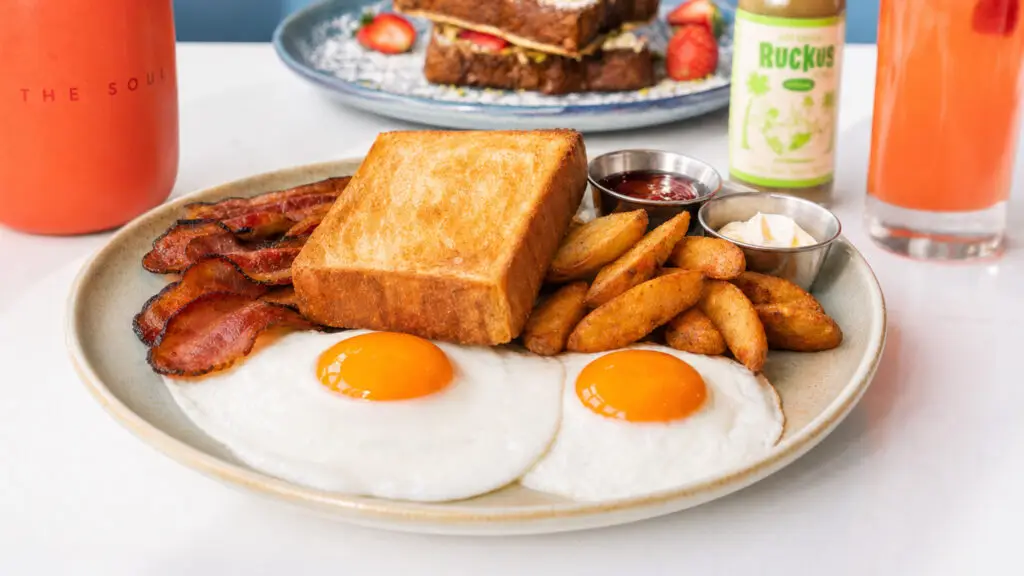
why breakfast classics come with a higher standard
Put an unfamiliar ingredient on a plate and there’s an element of discovery. The guest is experiencing something new. Serve them an egg, a pancake or a piece of French toast and the opposite is true. They already have a reference point.
That makes the fundamentals much more noticeable. Is the egg cooked properly? Are the potatoes crisp? Is the pancake fluffy? Does the waffle have that contrast between a crisp exterior and soft centre? Does the French toast actually feel special?
That same standard applies when adapting a breakfast classic for different dietary needs. OEB’s gluten-friendly waffle, for example, was developed to stand on its own, not simply as a substitute for the original. Whether someone chooses a traditional waffle or a gluten-friendly one, the expectation should be the same: it still has to be delicious.
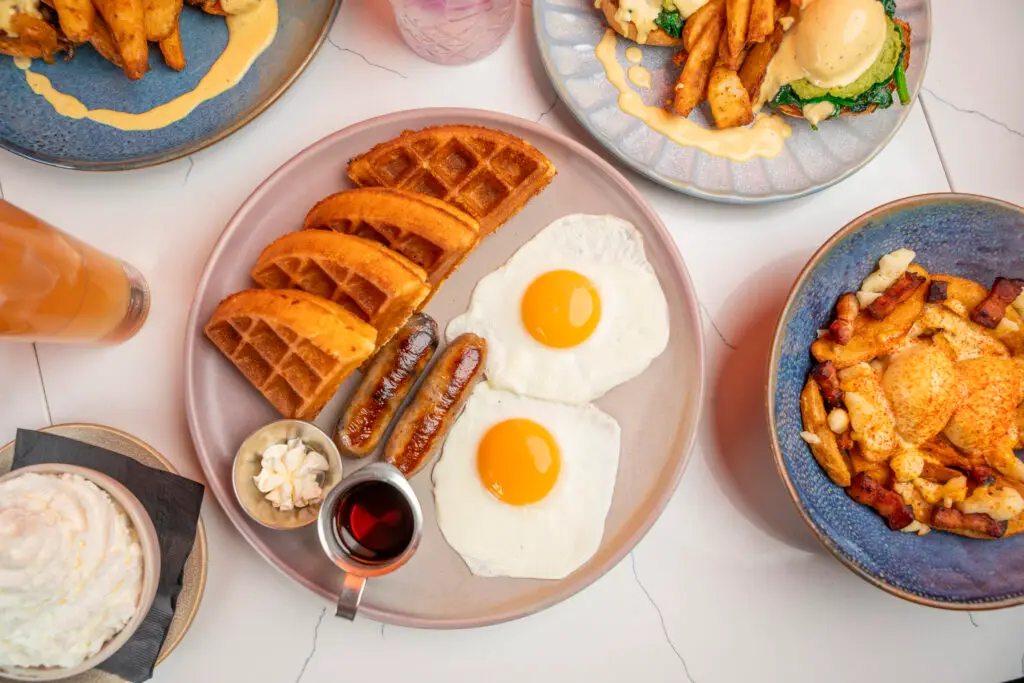
It’s one reason culinary thinking at OEB isn’t reserved for the most elaborate dishes on the menu. Take The Threesome. Two free-run eggs any style, a choice of bacon, ham or sausage, and a waffle, pancakes or French toast. Fundamentally, it’s a plate of breakfast classics. There may not be an unfamiliar ingredient commanding attention, but that’s exactly what makes the execution matter.
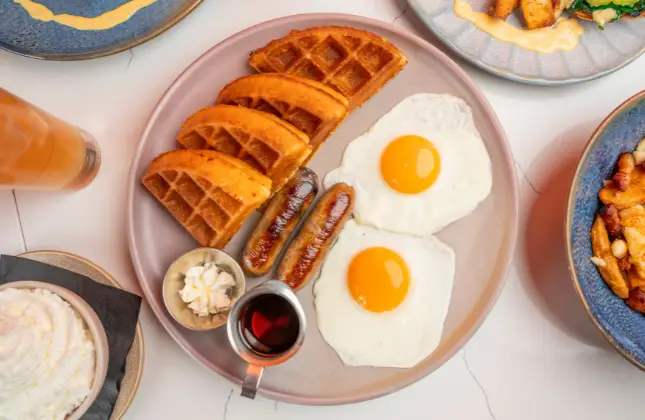
with simple food, every ingredient matters
The same thinking applies to the Classic Breakfast. When a dish has only a handful of components, every ingredient has more work to do.
OEB’s eggs come from free-run hens fed a vegetarian diet bolstered with flax and marigold, producing the rich, deep yellow yolks guests recognize on our plates. Our meats are made to OEB’s specifications with clean ingredient decks and no fillers. Even the bread isn’t an afterthought. OEB’s signature breads are made specifically for our restaurants, including an organic potato sourdough made from a base of duck-fat-fried potato and French onion soup.
These might not be the details someone is thinking about when they sit down and order breakfast. But they’re part of what makes something familiar taste distinctly OEB.
“Those choices aren’t necessarily obvious when someone looks at a Classic Breakfast on the menu, but they become obvious when they eat it,” Dave says.
The simpler the plate, the more each individual decision can be tasted.
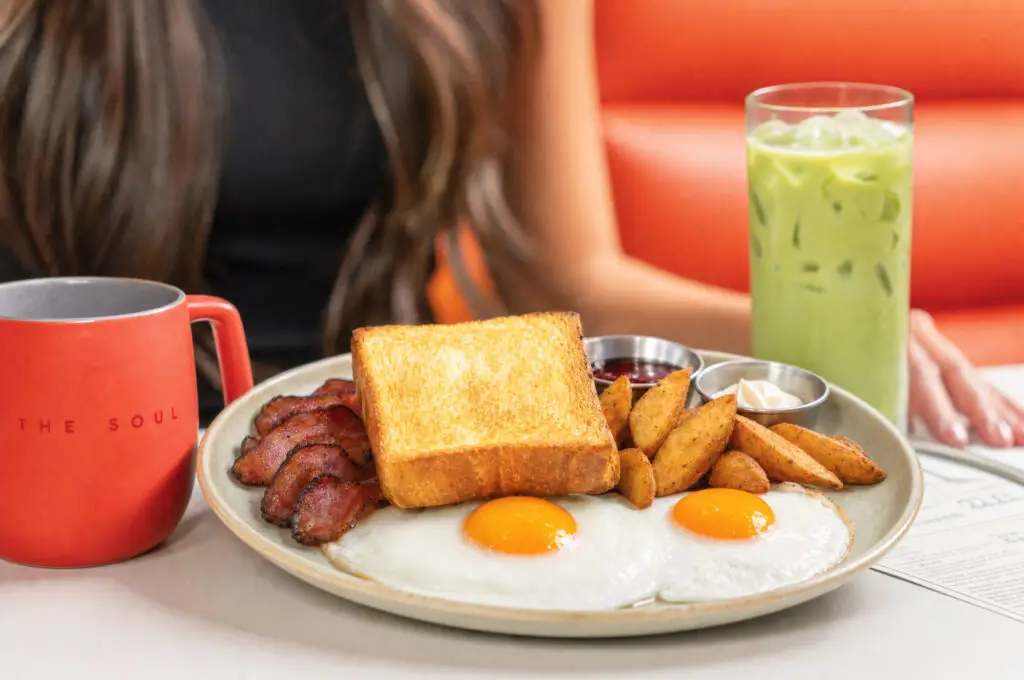
a great breakfast has to be great every time
Choosing great ingredients and developing the right recipe is only part of the equation. The other challenge is consistency.
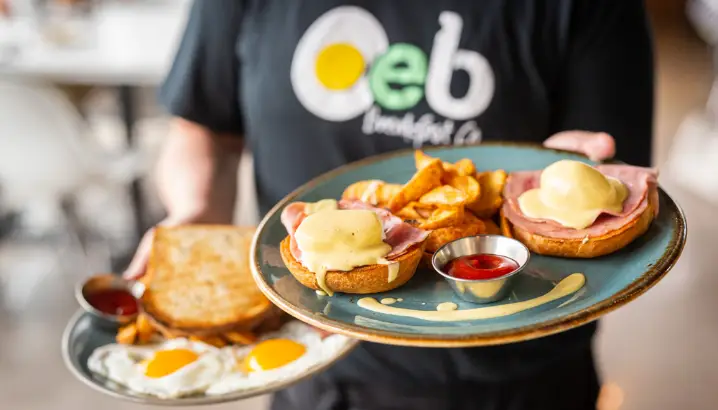
A great pancake on Saturday needs to be a great pancake on Tuesday. The eggs a guest loves on one visit need to be cooked the way they expect the next time. And a Traditional Benny needs to deliver the experience someone remembers when they decide to order it again.
For a restaurant, getting a breakfast classic right isn’t about executing it perfectly once. It’s about creating an experience guests can trust enough to order again and again. And with familiar dishes, there’s little novelty to compensate when one of the fundamentals misses the mark.
It’s why we see the classics as more than the predictable part of a breakfast menu. They’re one of the clearest measures of the standards behind it.
“If we’re going to put truffle or caviar on the menu and talk about pushing breakfast forward, we had better also be able to cook a great egg, make exceptional potatoes and serve a Benny consistently,” Dave says.
Sometimes the biggest test of a kitchen isn’t what it can create with the most unexpected ingredients.